
JAMB/WAEC Biology Objective Test: 50 Questions on Microorganisms
JAMB/WAEC Biology Objective Test: 50 Questions on Microorganisms
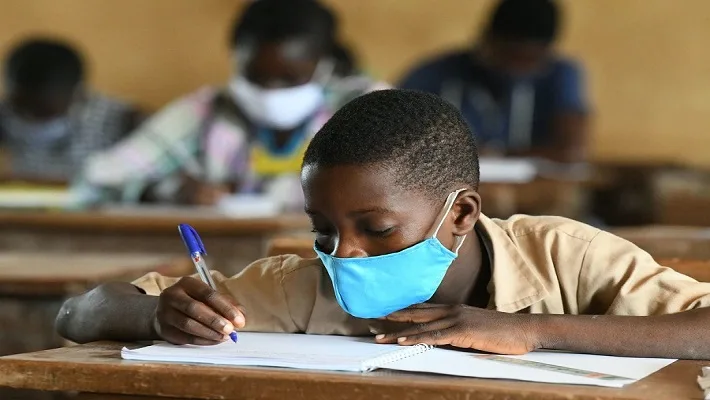


In this lesson, we have taken the study of microorganisms a step further by presenting the concepts in a more analytical and exam-focused manner.
Beyond basic definitions, you are expected to understand relationships, classifications, and apply your knowledge to unfamiliar question patterns.
The questions below are designed in the style of JAMB and WAEC examinations, where candidates are tested not only on recall but also on reasoning
and interpretation. Attempt all questions carefully.
JAMB/WAEC Standard Objective Test on Microorganism
- Which of the following best explains why viruses are regarded as non-living outside a host cell?
A. They lack genetic material
B. They cannot carry out metabolic activities independently
C. They are too small to be seen
D. They lack a protein coat - The ability of a virus to reproduce is dependent on its
A. capsid strength
B. host cell machinery
C. mode of transmission
D. size and shape - A major structural difference between bacteria and viruses is that bacteria
A. lack DNA
B. possess cellular organization
C. are always parasitic
D. cannot reproduce - Which of the following pairs is correctly matched?
A. Cholera – Virus
B. Tuberculosis – Virus
C. Measles – Virus
D. Typhoid – Fungus - A microorganism that exists as crystals outside a host but becomes active inside cells is
A. bacterium
B. fungus
C. virus
D. alga - Which disease is correctly matched with its causative agent?
A. Poliomyelitis – Bacterium
B. Measles – Virus
C. Cholera – Virus
D. Tuberculosis – Fungus - Viruses are classified into DNA and RNA types based on
A. size
B. host
C. nucleic acid
D. shape - Aerobic and anaerobic bacteria differ mainly in their
A. shape
B. size
C. oxygen requirement
D. habitat - A bacterium that survives in both oxygen and no oxygen is
A. obligate
B. facultative
C. parasitic
D. autotrophic - Cocci arranged in chains are called
A. staphylococci
B. diplococci
C. streptococci
D. tetrads - Which is NOT a feature of bacteria?
A. Nucleoid
B. No organelles
C. True nucleus
D. Asexual reproduction - Syphilis is caused by a bacterium classified as
A. cocci
B. bacilli
C. spirillae
D. vibrio - Viruses are economically important because they
A. aid digestion
B. cause diseases
C. improve soil
D. ferment food - Which process does NOT involve bacteria?
A. Fermentation
B. Cheese production
C. Viral replication
D. Decomposition - A rod-shaped motile bacterium is
A. cocci
B. bacillus
C. vibrio
D. spirillum - Which disease spreads through contaminated water?
A. Measles
B. Cholera
C. AIDS
D. Influenza - Bacteria are prokaryotic because they
A. lack cytoplasm
B. lack nucleus
C. lack DNA
D. lack membrane - Flagella in bacteria are used for
A. feeding
B. movement
C. protection
D. reproduction - Which organism forms colonies in slimy masses?
A. Virus
B. Bacterium
C. Fungus
D. Protozoa - Tuberculosis spreads mainly through
A. water
B. air
C. soil
D. contact - Correct transmission pairing is
A. Syphilis – Air
B. Cholera – Water
C. Tuberculosis – Soil
D. Gonorrhea – Food - Anaerobic bacteria survive without
A. light
B. oxygen
C. water
D. heat - Viruses differ from others because they are
A. mobile
B. acellular
C. large
D. autotrophic - A complete virus particle is called
A. capsid
B. virion
C. nucleoid
D. plasmid - Rabies affects
A. plants
B. animals
C. fungi
D. algae - Cholera bacteria are classified as
A. cocci
B. bacilli
C. vibrio
D. spirilla - Which is NOT viral?
A. Measles
B. Influenza
C. Tuberculosis
D. AIDS - Chemosynthetic bacteria obtain energy from
A. light
B. organic matter
C. inorganic compounds
D. water - Facultative bacteria
A. need oxygen
B. avoid oxygen
C. survive both ways
D. die quickly - Viruses are host-specific because they
A. are large
B. use specific cell machinery
C. reproduce freely
D. lack protein - Non-cellular organism with DNA is
A. bacterium
B. fungus
C. virus
D. protozoa - Clustered cocci are called
A. streptococci
B. staphylococci
C. diplococci
D. tetrads - Plant viral disease example is
A. cholera
B. cassava mosaic
C. tuberculosis
D. syphilis - Gonorrhea is caused by
A. Vibrio
B. Treponema
C. Neisseria
D. Mycobacterium - All microorganisms are
A. large
B. visible
C. microscopic
D. multicellular - Viruses lack respiration due to absence of
A. DNA
B. cytoplasm
C. protein
D. coat - Poor hygiene increases
A. immunity
B. disease spread
C. cleanliness
D. safety - Which is NOT a transmission route?
A. Air
B. Water
C. Soil
D. Light - Most complex organism here is
A. virus
B. bacterium
C. fungus
D. equal - Viruses
A. divide
B. have cytoplasm
C. depend on host
D. are multicellular - Cholera shape is
A. cocci
B. bacilli
C. vibrio
D. spirilla - Correct pairing is
A. Treponema – Cholera
B. Vibrio – Cholera
C. Neisseria – TB
D. Mycobacterium – Measles - Bacterial classification depends on
A. size
B. oxygen
C. colour
D. weight - NOT viral disease of animals
A. Rabies
B. Newcastle
C. Rinderpest
D. Cholera - Main role of bacteria
A. movement
B. decomposition
C. light
D. growth - Viruses lack
A. protein
B. nucleic acid
C. cell structure
D. host need - Saprophytes feed on
A. living
B. dead matter
C. water
D. air - Independent metabolism occurs in
A. virus
B. bacterium
C. both
D. none - Cholera spreads through
A. clean water
B. hygiene
C. contaminated water
D. drugs - Correct comparison is
A. Virus bigger
B. Bacteria acellular
C. Viruses need host
D. Both depend on host
Answers

1. B 2. B 3. B 4. C 5. C 6. B 7. C 8. C 9. B 10. C
11. C 12. C 13. B 14. C 15. B 16. B 17. B 18. B 19. B 20. B
21. B 22. B 23. B 24. B 25. B 26. C 27. C 28. C 29. C 30. B
31. C 32. B 33. B 34. C 35. C 36. B 37. B 38. D 39. C 40. C
41. C 42. B 43. B 44. D 45. B 46. C 47. B 48. B 49. C 50. C