NRS Chairman Defends Tinubu’s Lifestyle, Says President Walks to Office and Eats Once Daily
NRS Chairman Defends Tinubu’s Lifestyle, Says President Walks to Office and Eats Once Daily


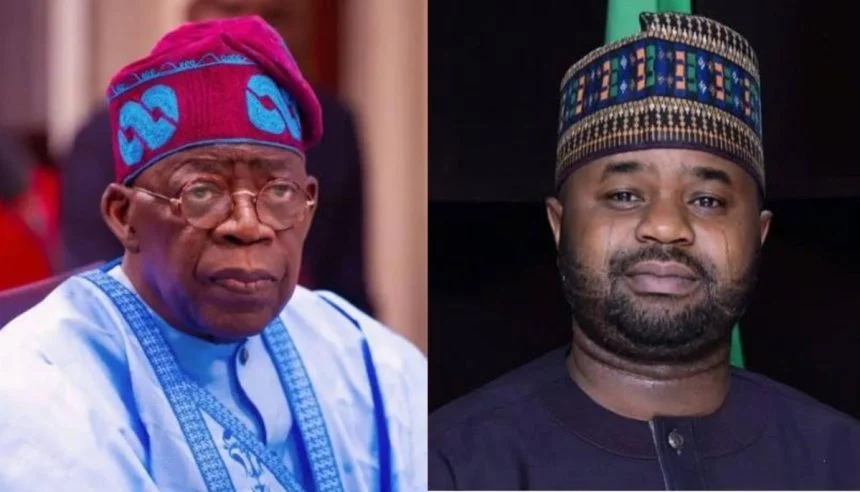
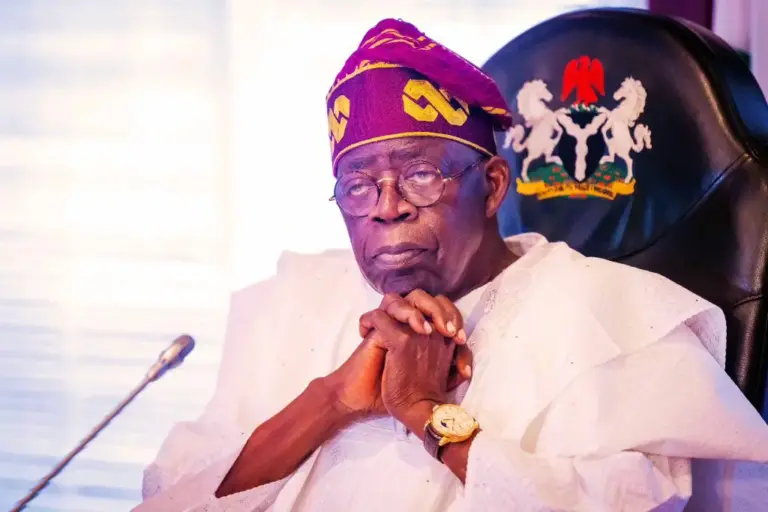
The Executive Chairman of the Nigeria Revenue Service (NRS), Zacch Adedeji, has defended President Bola Ahmed Tinubu against criticism over his lifestyle, insisting that the President does not live extravagantly despite the privileges attached to his office.

Speaking during an interview with Channels Television on Sunday, Adedeji said public perception of the President’s lifestyle does not reflect his daily routine.
According to the NRS chairman, Tinubu walks from his residence to his office and only uses a vehicle when travelling to the airport. He also claimed that the President eats just once a day.
Adedeji was responding to questions about the lifestyle of political leaders at a time when many Nigerians are dealing with economic challenges.
The NRS boss was also asked about reports concerning the number of Cadillac Escalade vehicles allegedly attached to the President’s convoy.
In response, Adedeji argued that the use of such vehicles should not automatically be interpreted as evidence that the President is living beyond his means.
He questioned why the President’s use of official vehicles had become a major concern, noting that Tinubu could afford such vehicles even before becoming President.
Adedeji further stated that Tinubu had spent the past few months working in Nigeria and had not travelled outside the country during that period.
He maintained that the President spends much of his time reviewing official documents and carrying out his responsibilities rather than attending social events or going on holidays.
The comments have generated reactions online, with Nigerians debating the NRS chairman’s claims about the President’s personal routine, particularly the statement that Tinubu eats only once a day and walks to his office.
The discussion has also renewed debate about the lifestyle of political office holders and the expectations placed on public officials during Nigeria’s current economic difficulties.