100 Economics Questions and Answers: The Relevance of Opportunity Cost
100 Economics Questions and Answers: The Relevance of Opportunity Cost



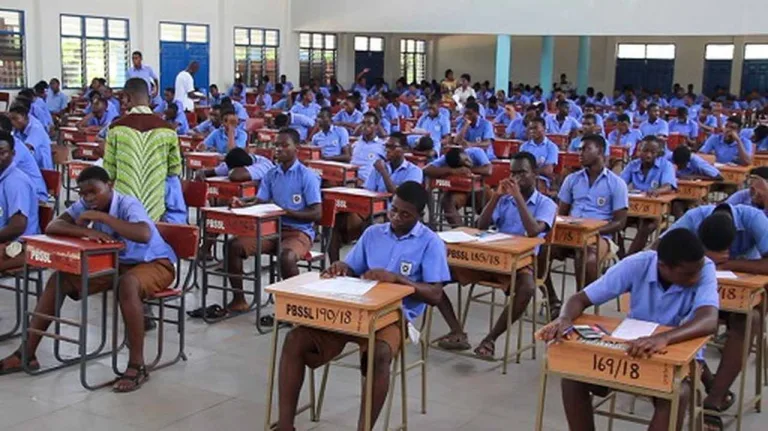
Welcome to this comprehensive Economics question bank on The Relevance of Opportunity Cost, Production Possibility Curve (PPC), Economic Activities, Basic Economic Problems, and the Importance of Studying Economics. This resource is designed for students preparing for SSCE, NECO, NABTEB, UTME, and university examinations. It covers key concepts such as opportunity cost, money cost, scarcity, choice, scale of preference, production possibility curve, primary, secondary and tertiary production, economic efficiency, economic systems, and the basic economic goals of society. Each question is followed by the correct answer, making it ideal for revision, self-assessment, and exam preparation.
Section A: Relevance of Opportunity Cost (Questions 1–15)

1. The concept of opportunity cost underlines the basic economic problems of?
A. Demand and supply
B. Scarcity and choice
C. Production and distribution
D. Inflation and deflation
Answer: B
2. Opportunity cost is relevant to individuals, firms, and government because?
A. They have unlimited resources
B. They cannot execute all their projects at the same time
C. They do not need to make choices
D. They operate without scarcity
Answer: B
3. The concept of opportunity cost reveals that every human activity involving an economic decision entails?
A. No cost at all
B. Some real cost measured in terms of forgone alternative
C. Only money cost
D. Only social cost
Answer: B
4. Opportunity cost helps the individual in?
A. Increasing unlimited wants
B. Allocating limited resources among competing needs
C. Avoiding all choices
D. Eliminating scarcity
Answer: B
5. Opportunity cost helps firms or producers in?
A. Deciding what to produce and what methods to use
B. Increasing wants without limit
C. Avoiding production decisions
D. Eliminating all costs
Answer: A
6. The concept of opportunity cost is relevant to government because?
A. Government has unlimited resources
B. Government has limited resources and cannot carry out all proposed projects at once
C. Government does not make economic decisions
D. Government does not face scarcity
Answer: B
7. Opportunity cost helps government in?
A. Wasting resources
B. Making effective use of resources in areas considered most important to the people
C. Ignoring people’s needs
D. Increasing inflation
Answer: B
8. Alternative forgone after choice was made is?
A. Money cost
B. Opportunity cost
C. Scale of preference
D. Scarcity
Answer: B
9. Opportunity cost is the forgone alternative in order to?
A. Acquire or produce a particular goods or services
B. Avoid all choices
C. Increase unlimited wants
D. Eliminate scarcity
Answer: A
10. The real cost of anything bought or done is called?
A. Money cost
B. Opportunity cost
C. Fixed cost
D. Variable cost
Answer: B
11. Human wants are insatiable because?
A. Demand outweighs supply
B. Government policies are inconsistent
C. Production is cheap
D. Resources are scarce
Answer: D
12. In Lionel Robbins’ definition, “ends” refers to?
A. Resources
B. Wants
C. Choice
D. Output
Answer: B
13. The following are basic concepts of Economics except?
A. Scarcity
B. Scale of preference
C. Opportunity cost
D. Demand schedule
Answer: D
14. The ranking of a consumer’s needs in order of importance is termed?
A. Opportunity cost
B. Economies of scale
C. Scale of preference
D. Direct production
Answer: C
15. Scarcity in economics means that?
A. The economy can scarcely produce anything
B. Human wants are limitless
C. The economy has very few resources
D. Resources are limited relative to wants
Answer: D
Section B: Opportunity Cost versus Money Cost (Questions 16–25)
16. Opportunity cost is a cost expressed in terms of?
A. Amount of money spent
B. Alternative forgone
C. Market price
D. Total revenue
Answer: B
17. Money cost is a cost expressed in terms of?
A. Alternative forgone
B. Amount of money spent in producing or acquiring a commodity
C. Real sacrifice
D. Physical goods
Answer: B
18. Opportunity cost is the?
A. Real cost of anything bought or done
B. Value of money exchanged for a commodity
C. Amount of money spent
D. Market price of a commodity
Answer: A
19. Money cost is the?
A. Real cost of anything bought
B. Value of money exchanged for a commodity or service
C. Alternative forgone
D. Physical good sacrificed
Answer: B
20. Opportunity cost is expressed in a particular?
A. Denomination of money
B. Physical good or service
C. Bank account
D. Currency note
Answer: B
21. Money cost is expressed in a particular?
A. Physical good or service
B. Denomination of money
C. Alternative forgone
D. Real sacrifice
Answer: B
22. Briefly, opportunity cost is?
A. Amount of money spent
B. Real cost, actual cost
C. Market price
D. Money exchanged
Answer: B
23. Briefly, money cost is?
A. Real cost
B. Amount of money spent
C. Alternative forgone
D. Physical sacrifice
Answer: B
24. A layman regards the cost of anything as?
A. The alternative forgone
B. The amount of money paid for it
C. The real sacrifice
D. The opportunity cost
Answer: B
25. The economist refers to the amount of money paid for the acquisition or production of a commodity as its?
A. Opportunity cost
B. Money cost
C. Real cost
D. Social cost
Answer: B
Section C: Production Possibility Curve (Questions 26–50)
26. Production Possibility Curve (PPC) shows the various alternatives or combinations of?
A. One commodity only
B. Two or more commodities that can be produced if all resources are fully employed
C. Unlimited resources
D. Only capital goods
Answer: B
27. The Production Possibility Curve is also called?
A. Production feasibility curve
B. Demand curve
C. Supply curve
D. Indifference curve
Answer: A
28. The Production Possibility Curve is a practical application of the principle of?
A. Opportunity cost
B. Money cost
C. Inflation
D. Unemployment
Answer: A
29. The slope of the Production Possibility Curve is?
A. Convex from origin
B. Concave from origin
C. Straight line
D. Vertical
Answer: B
30. A point located inside the Production Possibility Curve indicates?
A. Efficient production
B. Inefficient production combination
C. Unattainable production
D. Full employment
Answer: B
31. A point located exactly on the Production Possibility Curve indicates?
A. Inefficient production
B. Efficient production combination
C. Unattainable production
D. Unemployment
Answer: B
32. A point located outside the Production Possibility Curve indicates?
A. Efficient production
B. Inefficient production
C. Unattainable production combination
D. Full employment
Answer: C
33. The outward shift of the Production Possibility Curve is mainly due to?
A. Economic decline
B. Economic growth and development
C. Unemployment
D. Underemployment
Answer: B
34. The inward shift of the Production Possibility Curve is mainly due to?
A. Economic growth
B. Serious decline in economic activity
C. Improved production technique
D. Increase in labour force
Answer: B
35. The downward slope of the Production Possibility Curve indicates that?
A. There is total production
B. There is an opportunity cost of production
C. Resources are not efficiently utilized
D. Resources and technology are limited
Answer: B
36. The basic concept used in determining the production possibility boundary is?
A. Scarcity of resources
B. Scale of preference
C. Opportunity cost
D. Choice of individual
Answer: C
37. A point outside the production possibility curve indicates that?
A. Production is not attainable
B. Production is attainable
C. Some resources have not been provided
D. Resources have not been effectively combined
Answer: A
38. A production possibility curve shows the amount of?
A. Resources used to produce a particular commodity
B. Various combinations of two commodities that can be produced
C. Rate of inflation
D. National income
Answer: B
39. A rightward shift in the production possibility frontier may be due to?
A. Use of inferior inputs
B. Inefficiency
C. Improvement in production techniques and practices
D. Changes in consumer tastes
Answer: C
40. If a society is operating on the production possibility curve, this implies that resources are?
A. Fully and efficiently utilized
B. Fully but inefficiently utilized
C. Efficiently but not fully utilized
D. Abundant
Answer: A
41. The shape of a production possibility frontier is determined by the?
A. Increasing relative cost
B. Returns to scale
C. Diminishing returns to a fixed factor
D. Increasing returns to a variable factor
Answer: A
42. In a production possibility curve diagram, full employment is indicated by a point?
A. Inside the curve
B. On the curve
C. Outside the curve
D. Below the curve
Answer: B
43. The Production Possibility Curve is not static; it can shift?
A. Only outward
B. Only inward
C. Either inward or outward
D. Neither inward nor outward
Answer: C
44. The outward shift of the Production Possibility Curve makes a previously unattainable point?
A. Still unattainable
B. Attainable
C. Inefficient
D. Irrelevant
Answer: B
45. The inward shift of the Production Possibility Curve makes a formerly attainable production combination?
A. More attainable
B. Unattainable
C. Efficient
D. Profitable
Answer: B
46. Point A located inside the Production Possibility Curve implies that the country is?
A. Making efficient use of all resources
B. Not able to make efficient use of all existing resources
C. Producing outside its capacity
D. Experiencing economic growth
Answer: B
47. Point B located exactly on the Production Possibility Curve is termed?
A. Inefficient production combination
B. Efficient production combination
C. Unattainable production combination
D. Potential production combination
Answer: B
48. Point C located outside the Production Possibility Curve is termed?
A. Efficient production combination
B. Inefficient production combination
C. Unattainable production combination
D. Full employment combination
Answer: C
49. In a Production Possibility Curve diagram, consumer goods are measured on the?
A. Vertical axis
B. Horizontal axis
C. Origin
D. Curve
Answer: B
50. The Production Possibility Curve is also known as?
A. Production possibility boundary curve
B. Demand curve
C. Supply curve
D. Cost curve
Answer: A
Section D: Economic Activities and Production (Questions 51–70)
51. Economic activities are organized actions which people participate in with the aim of?
A. Earning their living through creation of goods and services
B. Avoiding work
C. Increasing unemployment
D. Reducing production
Answer: A
52. Production is any activity that results in the?
A. Destruction of goods
B. Creation of goods and services
C. Consumption of goods only
D. Distribution of goods only
Answer: B
53. Production is the creation of?
A. Utility
B. Scarcity
C. Inflation
D. Unemployment
Answer: A
54. Production is not complete until the goods get to the?
A. Wholesalers
B. Retailers
C. Final consumers
D. Manufacturers
Answer: C
55. Distribution is the physical flow of goods and services from?
A. Consumers to producers
B. Producers to consumers
C. Government to firms
D. Retailers to wholesalers
Answer: B
56. Which of the following correctly illustrates the chain of distribution?
A. Manufacturer → Wholesaler → Retailer → Consumer
B. Consumer → Manufacturer → Wholesaler → Retailer
C. Wholesaler → Manufacturer → Retailer → Consumer
D. Distributor → Consumer → Wholesaler → Manufacturer
Answer: A
57. Wholesalers and retailers are collectively known as?
A. Producers
B. Middlemen
C. Consumers
D. Entrepreneurs
Answer: B
58. Consumption refers to the process of?
A. Producing goods
B. Distributing goods
C. Using up products or resources to satisfy human wants
D. Storing goods
Answer: C
59. Primary economic activities have to do with?
A. Processing raw materials
B. Direct sourcing of raw materials from land or sea
C. Final delivery of products
D. Banking and insurance
Answer: B
60. Which of the following is a primary economic activity?
A. Manufacturing
B. Mining
C. Banking
D. Warehousing
Answer: B
61. Secondary economic activities involve?
A. Direct sourcing of raw materials
B. Processing raw materials into finished products
C. Final delivery of products to consumers
D. Rendering personal services
Answer: B
62. Which of the following is a secondary economic activity?
A. Fishing
B. Manufacturing
C. Transportation
D. Insurance
Answer: B
63. Tertiary economic activities refer to?
A. Direct sourcing of raw materials
B. Processing raw materials
C. Final delivery of the product to the eventual consumer and service industries
D. Mining and quarrying
Answer: C
64. Which of the following is a tertiary economic activity?
A. Farming
B. Oil refining
C. Warehousing
D. Construction
Answer: C
65. Warehousing is an economic activity that falls under?
A. Tertiary production
B. Intermediate production
C. Secondary production
D. Primary production
Answer: A
66. Teaching and banking can be classified as?
A. Commercial production
B. Primary production
C. Secondary production
D. Tertiary production
Answer: D
67. Bricklayers are engaged in?
A. Primary production
B. Secondary production
C. Tertiary production
D. Subsistence production
Answer: C
68. Gross Domestic Product (GDP) is the total value of goods and services produced within a country’s economy within?
A. One month
B. One year
C. Five years
D. Ten years
Answer: B
69. In Nigeria, the contribution of tertiary industries to the GDP has been?
A. Steadily increasing
B. Steadily decreasing
C. Constant
D. Zero
Answer: A
70. Primary economic activities are predominant in?
A. Industrialized countries
B. Non-industrialized countries
C. Developed economies
D. Urban economies
Answer: B
Section E: Basic Economic Problems of Society (Questions 71–85)
71. The fundamental economic problem facing society is?
A. Inflation
B. Scarcity
C. Unemployment
D. Deflation
Answer: B
72. Choice arises out of?
A. Abundance
B. Scarcity
C. Inflation
D. Surplus
Answer: B
73. “What to produce” concerns the?
A. Types of goods and services to produce and their quantities
B. Technique of production
C. Distribution of income
D. Efficiency of resources
Answer: A
74. Which of the following is NOT a factor determining what to produce?
A. Available resources
B. Level of available technology
C. The needs of the people
D. The colour of the national flag
Answer: D
75. In a capitalist state, what to produce is determined by?
A. Government
B. Price system
C. Traditional rulers
D. Foreign investors only
Answer: B
76. In a socialist economy, what to produce is determined by?
A. Private individuals
B. Government
C. Market forces
D. Consumers only
Answer: B
77. In a mixed economy, what to produce is determined by?
A. Only government
B. Only private investors
C. Both price system and government
D. Only foreign countries
Answer: C
78. “How to produce” refers to?
A. Which technique of production to adopt
B. What goods to produce
C. For whom to produce
D. Where to sell goods
Answer: A
79. Labour-intensive production means?
A. More machines and less labour
B. More labour and less machines
C. No labour at all
D. No machines at all
Answer: B
80. Capital-intensive production means?
A. More labour and less machines
B. More machines and less labour
C. Only manual labour
D. Only hand tools
Answer: B
81. “For whom to produce” is more or less the problem of?
A. Production technique
B. Distribution of income
C. Resource discovery
D. Price control
Answer: B
82. Which of the following influences “for whom to produce”?
A. Price system
B. Prevailing economic system
C. The urge for foreign currencies
D. All of the above
Answer: D
83. Economic efficiency as an economic concept means?
A. Producing goods to satisfy consumers
B. Producing goods for consumption
C. Producing maximum output at low cost
D. Producing minimum output at high cost
Answer: C
84. Economic problems arise because of?
A. The creation of artificial scarcity
B. Corruption in high places
C. Inadequate resources
D. The absence of skilled labour
Answer: C
85. The basic economic problem concerned with production technique is?
A. Efficient use of resources
B. For whom to produce
C. How to produce
D. What to produce
Answer: C
Section F: Economic Efficiency, Resources, and Economic Systems (Questions 86–95)
86. The concept of economic efficiency refers to?
A. Obtaining the maximum output from available resources at the lowest possible cost
B. Conservation of natural gas and oil deposit
C. Equity in the distribution of national resources
D. Producing without waste
Answer: A
87. Economic resources are those goods or resources which are?
A. Unlimited in supply
B. Directly involved in carrying out economic activities and have a price or opportunity cost
C. Free gifts of nature
D. Not scarce
Answer: B
88. Which of the following is a non-economic resource?
A. Land
B. Labour
C. Air
D. Capital
Answer: C
89. In a capitalist economy, the decision as to what to produce is taken by?
A. Government
B. Private individuals or investors based on price mechanism
C. Traditional rulers
D. Foreign governments
Answer: B
90. In a socialist economy, goods are distributed to the people according to?
A. Their needs or based on welfarism
B. Their ability to pay
C. Market forces
D. Foreign demand
Answer: A
91. The basic economic goals of society include all EXCEPT?
A. Stable pricing of goods and services
B. Stable economic growth and development
C. Employment for the citizens
D. Increasing inflation
Answer: D
92. Stable pricing of goods and services means avoiding?
A. High rate of inflation or extreme deflation
B. Economic growth
C. Employment
D. Equitable distribution
Answer: A
93. Equitable distribution of wealth means?
A. Ensuring fair wealth redistribution in society
B. Concentrating wealth in few hands
C. Ignoring the poor
D. Increasing poverty
Answer: A
94. Efficiency of resources use means?
A. Wasting resources
B. Efficient allocation of resources
C. Hoarding resources
D. Destroying resources
Answer: B
95. The question of the efficiency of production and efficient allocation of resources comes under?
A. Welfare Economics
B. Monetary Economics
C. International Economics
D. Development Economics
Answer: A
Section G: Importance of Studying Economics (Questions 96–100)
96. The study of economics helps us understand that our resources are?
A. Unlimited
B. Limited in supply and need efficient allocation
C. Not useful
D. Free goods
Answer: B
97. The study of economics enables us to identify people’s wants and?
A. Satisfy them with limited available resources
B. Increase them without limit
C. Ignore them completely
D. Destroy them
Answer: A
98. The study of economics helps in developing the ability to?
A. Accept things irrationally
B. Make rational decisions
C. Avoid all decisions
D. Increase scarcity
Answer: B
99. The study of economics instills in us the wealth of knowledge that helps in?
A. Understanding and solving practical problems of society
B. Creating more problems
C. Avoiding society
D. Ignoring economic issues
Answer: A
100. Economics as a discipline produces professionals who can be employed as?
A. Economists and across other disciplines
B. Only teachers
C. Only bankers
D. Only farmers
Answer: A
Answer Key Summary
| Question | Answer | Question | Answer | Question | Answer | Question | Answer |
|---|---|---|---|---|---|---|---|
| 1 | B | 26 | B | 51 | A | 76 | B |
| 2 | B | 27 | A | 52 | B | 77 | C |
| 3 | B | 28 | A | 53 | A | 78 | A |
| 4 | B | 29 | B | 54 | C | 79 | B |
| 5 | A | 30 | B | 55 | B | 80 | B |
| 6 | B | 31 | B | 56 | A | 81 | B |
| 7 | B | 32 | C | 57 | B | 82 | D |
| 8 | B | 33 | B | 58 | C | 83 | C |
| 9 | A | 34 | B | 59 | B | 84 | C |
| 10 | B | 35 | B | 60 | B | 85 | C |
| 11 | D | 36 | C | 61 | B | 86 | A |
| 12 | B | 37 | A | 62 | B | 87 | B |
| 13 | D | 38 | B | 63 | C | 88 | C |
| 14 | C | 39 | C | 64 | C | 89 | B |
| 15 | D | 40 | A | 65 | A | 90 | A |
| 16 | B | 41 | A | 66 | D | 91 | D |
| 17 | B | 42 | B | 67 | C | 92 | A |
| 18 | A | 43 | C | 68 | B | 93 | A |
| 19 | B | 44 | B | 69 | A | 94 | B |
| 20 | B | 45 | B | 70 | B | 95 | A |
| 21 | B | 46 | B | 71 | B | 96 | B |
| 22 | B | 47 | B | 72 | B | 97 | A |
| 23 | B | 48 | C | 73 | A | 98 | B |
| 24 | B | 49 | B | 74 | D | 99 | A |
| 25 | B | 50 | A | 75 | B | 100 | A |
Conclusion
This comprehensive question bank on The Relevance of Opportunity Cost, Production Possibility Curve, Economic Activities, and Basic Economic Problems provides students with a solid revision resource for SSCE, NECO, NABTEB, UTME, and university examinations. Master these 100 questions to strengthen your understanding of opportunity cost, money cost, scarcity, choice, scale of preference, production possibility curve, primary, secondary and tertiary production, economic efficiency, economic systems, and the importance of studying economics.